
Laser Assisted Regeneration
Advanced periodontal treatment using the PerioLase MVP-7 laser for bone and soft tissue regeneration with minimal downtime.
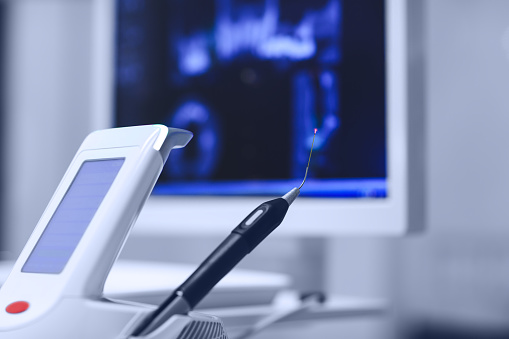
Laser Assisted Regeneration (LAR) is a laser-assisted periodontal procedure that uses the PerioLase MVP-7 and the Laser-Assisted New Attachment Procedure (“LANAP”) protocol to help treat periodontal disease and support regeneration. Dr. Chris Webb and Dr. Gus Dehni use advanced laser technology to remove diseased tissue, reduce bacteria, and support healing while preserving as much healthy tissue as possible. LAR is an ideal way for many patients to save their original teeth.
What is Laser Assisted Regeneration (LAR)?
Laser Assisted Regeneration is a cutting-edge procedure that combines the precision of laser technology with the body’s natural healing processes to regenerate bone and soft tissue in the mouth. This technique is particularly beneficial for patients suffering from periodontal disease, which often leads to bone loss, or those who have experienced trauma or other conditions that affect oral structures.
PerioLase MVP-7
Dr. Webb and Dr. Dehni use the PerioLase MVP-7 and specifically the Laser-Assisted New Attachment Procedure (“LANAP”) when performing Laser Assisted Regeneration. The MVP-7 is the most up to date and top of the line laser for performing LAR. The MVP-7 is unique in that it has 7 different laser pulse configurations (like having 7 different types of lasers) to be able to accomplish LAR.
Laser Periodontal Therapy and LANAP
Laser periodontal therapy, sometimes called laser gum treatment or LANAP, is a minimally invasive option for treating periodontal disease. During treatment, the laser is directed into diseased periodontal pockets to target inflamed tissue and bacteria while leaving nearby healthy gum tissue largely undisturbed.
This precision can make laser-assisted treatment more comfortable than traditional gum surgery for appropriate cases. Many patients experience less bleeding, swelling, and postoperative discomfort because treatment is performed without the same level of incisions used in conventional surgery.
How Does LAR Work?
LAR works by directing a highly focused laser beam at the affected area, which accomplishes several critical objectives:
- Removal of Diseased Tissue - The laser selectively targets and removes diseased tissue without harming the healthy surrounding tissue.
- Stimulation of Regeneration - The laser energy stimulates the cells in the bone and surrounding tissues, encouraging them to regenerate and rebuild the lost structures.
- Reduction of Bacteria - The procedure significantly reduces the bacterial load in the area, decreasing the risk of further infection and promoting a healthier oral environment.
This approach not only treats the existing condition but also promotes the natural regrowth of lost tissue, offering a more comprehensive and long-lasting solution than traditional treatments.
The Benefits of LAR
- Minimized Discomfort and Pain - The precision of laser treatment reduces the need for incisions, resulting in less post-operative pain and discomfort.
- Faster Healing Time - The minimally invasive nature of the procedure promotes quicker healing times compared to conventional surgery.
- Reduced Risk of Infection - The laser’s ability to sterilize the treated area lowers the risk of postoperative infections.
- Preservation of Healthy Tissue - The targeted approach of LAR ensures that only diseased tissue is removed, preserving as much healthy tissue as possible.
- Lower Bacterial Load - Laser energy helps reduce harmful bacteria in periodontal pockets, supporting a healthier healing environment.
Few contraindications - Unlike traditional bone grafting, most patients do not need to discontinue blood thinners prior to an LAR procedure.
Dr. Webb and Dr. Dehni perform both LAR and Conventional Bone Augmentation Surgery. During your consultation, they will discuss with you which is best for your case. In many cases, they are both clinically acceptable and it will come down to the patient’s preference.
Is Laser Periodontal Therapy Right for Every Case?
Laser periodontal therapy is safe and effective for many patients, but it is not the right choice for every periodontal problem. Severe gum disease, advanced bone loss, or anatomy that cannot be treated predictably with laser therapy may still require conventional periodontal surgery, bone grafting, or a combined approach. The right recommendation depends on a full periodontal evaluation, imaging, pocket depths, and the long-term prognosis of the affected teeth.
Dr. Christopher Webb and Dr. Gus Dehni: Specialists in LAR
Dr. Webb and Dr. Gus Dehni have undergone extensive training in Laser Assisted Regeneration, equipping them with the skills and knowledge to perform this advanced procedure with the highest level of precision and care. Their expertise in LAR, combined with a comprehensive understanding of periodontal health, makes them particularly adept at treating patients with complex dental issues, including significant bone loss.
Choosing Dr. Webb and Dr. Dehni for your LAR procedure means placing your trust in professionals who are not only technically proficient but also deeply committed to providing personalized care that addresses your specific needs and health goals.
Who Can Benefit from LAR?
LAR is especially suited for patients who have experienced bone loss due to periodontal disease, trauma, or other conditions. However, the best way to determine if LAR is the right choice for you is through a comprehensive consultation with Dr. Webb and Dr. Dehni. During your consultation, they will evaluate your oral health, discuss your treatment goals, and recommend the most effective treatment plan tailored to your situation.
If you’re struggling with bone loss or other dental conditions and are looking for a treatment option that offers both healing and regeneration, Laser Assisted Regeneration may be the solution you’ve been searching for.
Ready to Get Started?
Contact us to schedule a consultation at our New Bedford, Falmouth, or Hyannis office.